Shopping Cart


Post author: Cacauwe
Publication date: 29/09/2026
The difference between palo santo, white sage and resin incense, how to use each one, and why sourcing matters for two of them.
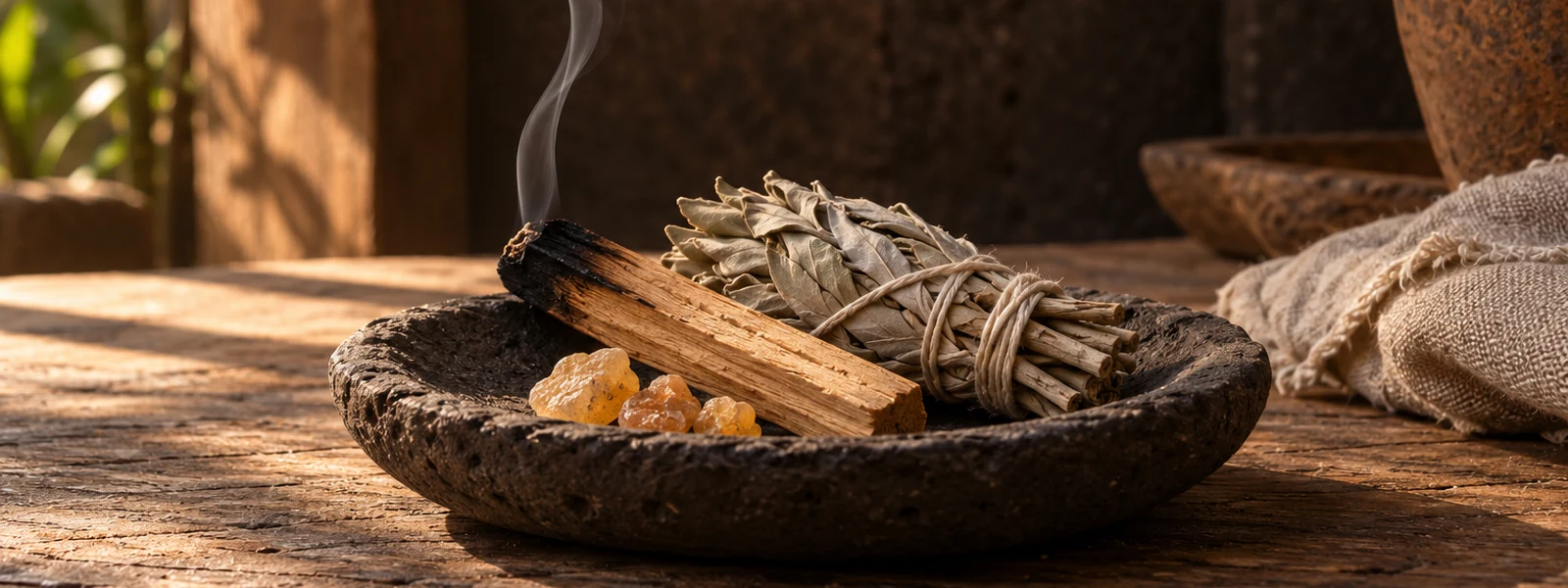
Illustration generated with AI
These three get sold side by side and treated as interchangeable. They are not: they come from different continents, different traditions, and two of them have a sourcing problem worth understanding before you buy.
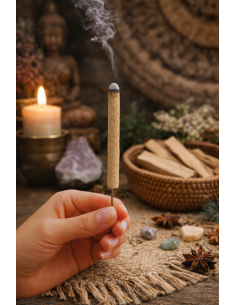
Bursera graveolens, from the dry forests of Ecuador and Peru. The smell — sweet, resinous, slightly citrus — only develops in heartwood that has aged on the forest floor for years after the tree died naturally. Freshly cut palo santo does not smell like this, which is the simplest test of whether you are buying the real thing.
Light one end, let it catch for thirty seconds, blow it out and let it smoulder. A stick will last many uses. It burns slowly and produces far less smoke than sage.
Check before you buy
Sourcing: the species is not endangered, but harvesting live trees is illegal in Peru and Ecuador, and it happens. Ask for naturally fallen wood and a country of origin. If a seller cannot say where it came from, assume the worst.
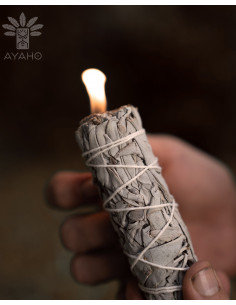
Salvia apiana, from southern California and Baja. It burns hot and smoky and clears a room quickly, which is why it became popular far outside the traditions it belongs to.
Sourcing: white sage is central to Indigenous Californian practice, and wild populations are under pressure from commercial harvesting. Cultivated sage exists and is the responsible choice. If you would rather not use it at all, rosemary, cedar and mugwort do the same job and are not contested.
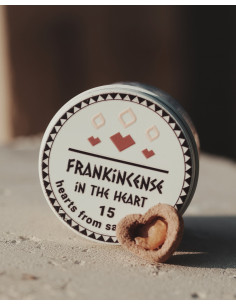
Frankincense, myrrh, copal and benzoin — hardened tree sap, burned on charcoal rather than lit directly. Resins give the longest and cleanest burn of the three, and the most control: a piece the size of a pea scents a room.
You need a charcoal disc and a heatproof bowl with sand or ash in it. Light the disc, wait until it stops sparking and greys over, then put the resin on top. It will smoke for twenty minutes or more.
All three consume oxygen and produce particulates. Open a window. Keep them away from smoke detectors, and away from birds — avian lungs are extremely sensitive to smoke of any kind. Never leave any of them burning unattended.
What we carry is in Incense & Smudge.
The smell — sweet, resinous, slightly citrus — only develops in heartwood that has aged on the forest floor for years after the tree died naturally. Freshly cut palo santo does not smell like this, which is the simplest test of whether you are buying the real thing.
Light one end, let it catch for thirty seconds, blow it out and let it smoulder.
You need a charcoal disc and a heatproof bowl with sand or ash in it. Light the disc, wait until it stops sparking and greys over, then put the resin on top.
If you would rather not use it at all, rosemary, cedar and mugwort do the same job and are not contested.